

TMJ Treatment in Millburn, NJ
Advanced TMJ Care for Lasting Jaw Relief
Specialized TMJ Treatment at Periodontics & Implants Center
Our team is dedicated to giving patients throughout Millburn, Short Hills, and Essex County the thorough, evidence-based care they deserve. From your first consultation through the completion of your treatment, we listen carefully, diagnose with precision, and treat with the least invasive approach that will deliver lasting results.
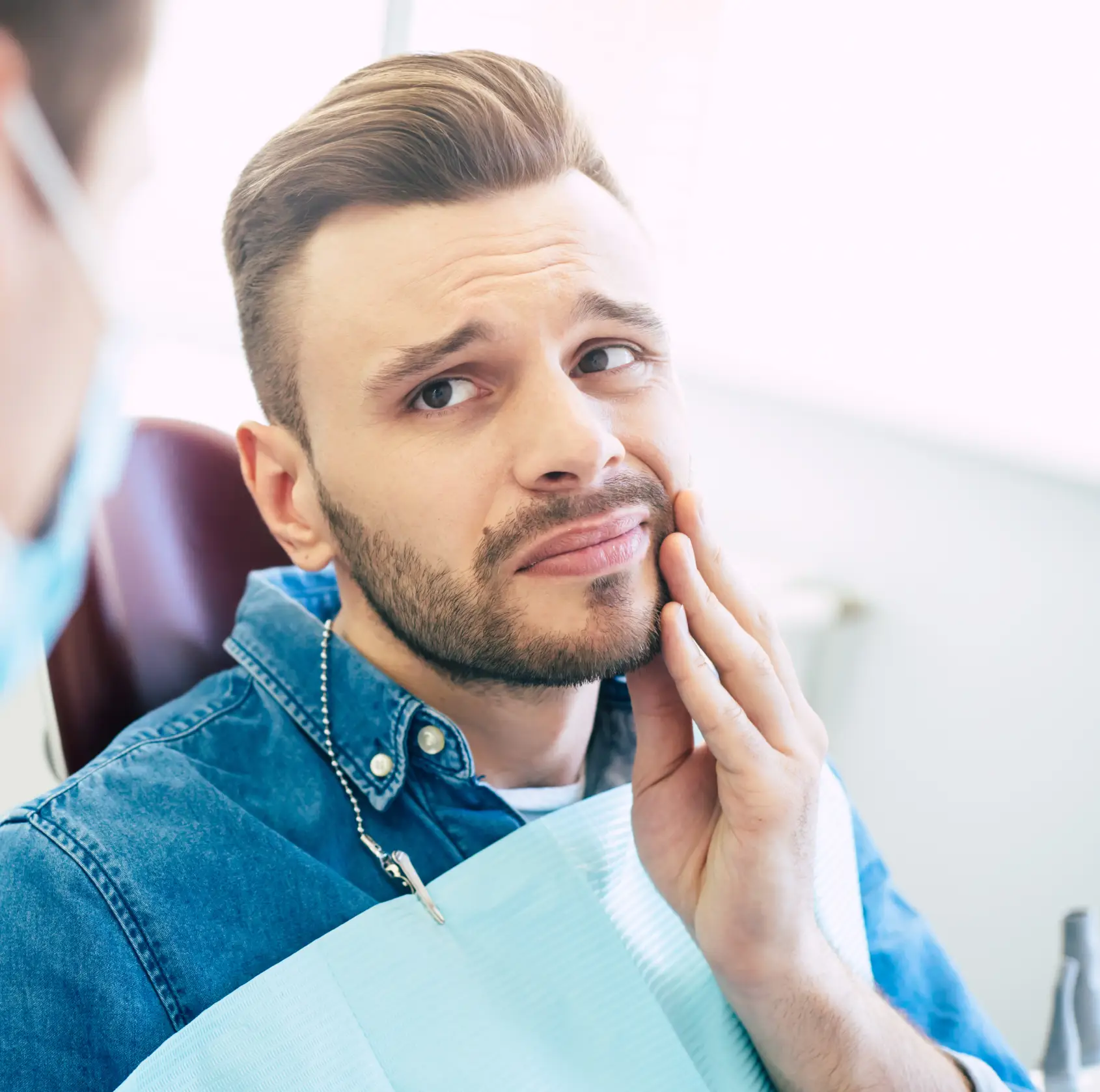
What Is TMJ Disorder and What Causes It?
The temporomandibular joint (TMJ) is the hinge joint connecting your lower jaw to your skull, located just in front of each ear. This joint enables the smooth, coordinated movements required for chewing, speaking, yawning, and swallowing.
When the joint, surrounding muscles, or associated cartilage disc become inflamed, damaged, or dysfunctional, the result is a temporomandibular joint disorder (TMD). Common contributing factors include chronic teeth grinding or clenching (bruxism), jaw injury or trauma, arthritis affecting the joint, psychological stress leading to habitual jaw tension, and bite imbalances.
At our Millburn practice, we conduct a comprehensive evaluation to identify which of these factors, or which combination of factors, is driving your symptoms.
Recognizing TMJ Symptoms
One reason TMJ disorders so frequently go undiagnosed is that their symptoms often appear to have nothing to do with the jaw. Patients in Millburn come to us having been treated for migraines, ear conditions, or neck problems, only to discover that the TMJ was the underlying source all along.
Key symptoms to be aware of include:
- Jaw pain, soreness, or aching, especially when eating or speaking
- Clicking, popping, or grinding sensations when opening or closing the mouth
- Jaw stiffness or a limited range of motion
- Frequent headaches, particularly in the morning or at the temples
- Ear pain, pressure, or tinnitus without a clear ear-related cause
- Facial pain or swelling
- Radiating pain into the neck and shoulders
If these symptoms resonate, a specialist evaluation at our Millburn office is the right next step.

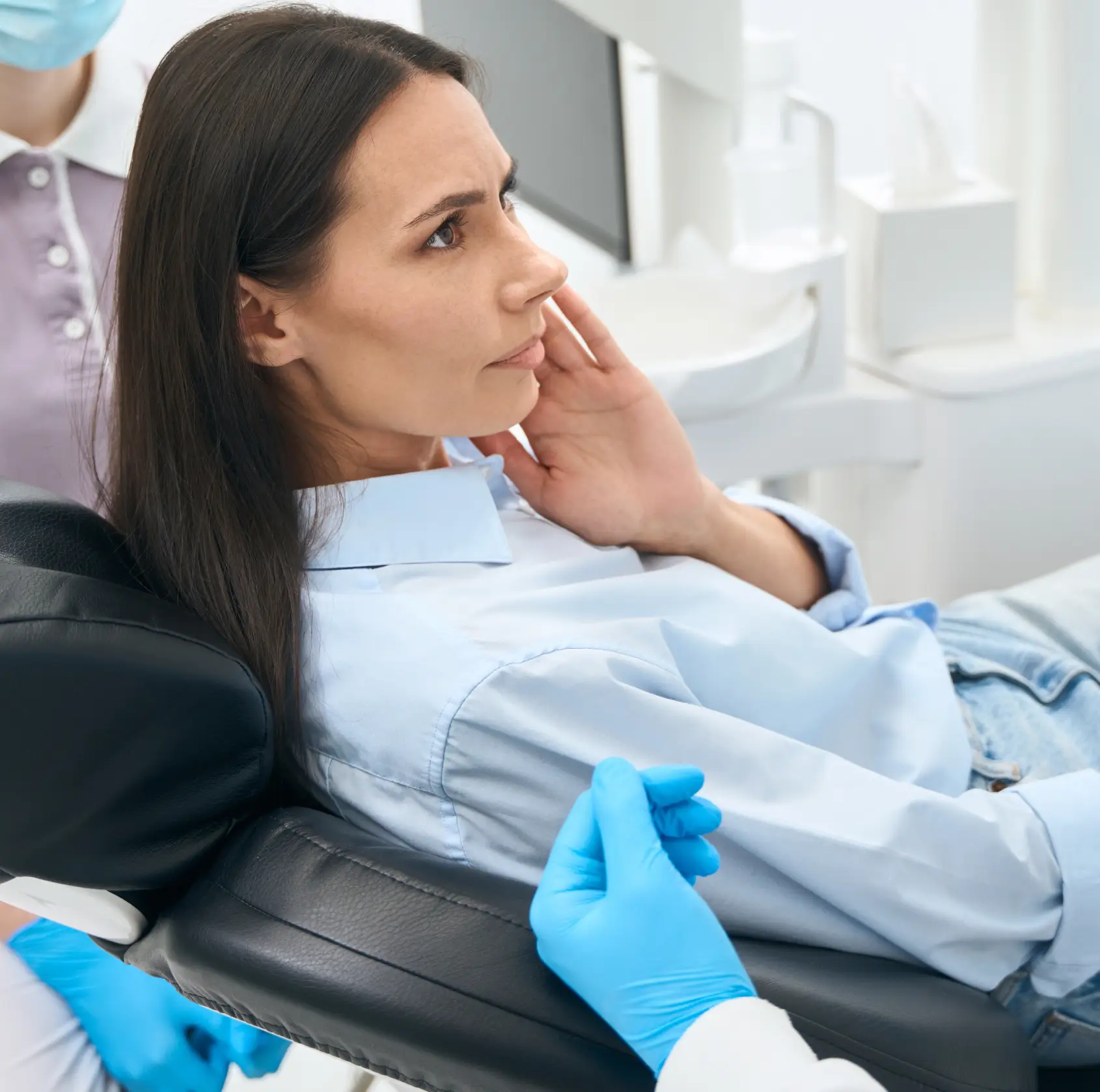
The Long-Term Cost of Untreated TMJ
Patients often adapt to TMJ pain by adjusting how they chew, avoiding certain foods, or relying on over-the-counter pain relievers, without realizing the condition is still progressing.
Over time, untreated TMJ dysfunction can cause significant tooth wear, fractured teeth or damaged restorations, and deterioration of the joint's cartilage disc. Inflammation that goes unaddressed becomes more resistant to conservative treatment, and chronic pain takes a real toll on sleep and daily quality of life.
At our Millburn practice, we help patients understand the full picture of their condition and take proactive steps before more complex intervention becomes necessary.
Our TMJ Treatment Approach
Custom Oral Appliance Therapy
For most patients, a custom-fabricated oral appliance is the ideal starting point for TMJ treatment. These precisely fitted devices are designed from detailed impressions of your bite and hold the jaw in a therapeutically optimal position during sleep.
The appliance decompresses the joint and shields the teeth from the destructive forces of grinding, resulting in reduced pain, improved sleep, and protection of both the joint and your dental work over time.
Muscle Relaxation Injections
Injectable muscle relaxation therapy is one of the most effective minimally invasive treatments available for TMJ-related muscular pain. By reducing the activity of the overworked jaw muscles that drive clenching and grinding, these injections alleviate tension, decrease joint loading, and provide meaningful relief from chronic headaches and facial pain.
Treatments are quick and can be performed right here in our Millburn office, with results typically lasting several months.
Occlusal Equilibration
When bite imbalance is a contributing factor, as it frequently is, occlusal equilibration involves the careful, precise reshaping of tooth surfaces to create a more even, stable occlusion.
By distributing bite forces more uniformly, this treatment reduces the chronic strain placed on the temporomandibular joint and surrounding musculature. Many patients experience a notable reduction in pain and tension following this procedure.
Integrative Supportive Care
Lasting TMJ relief often requires addressing contributing factors beyond the joint itself. Our Millburn team provides guidance on therapeutic jaw exercises, postural corrections, ergonomic adjustments, and dietary recommendations.
We also offer behavioral strategies to reduce clenching and jaw tension driven by stress, and collaborate with physical therapy specialists experienced in orofacial and cervical rehabilitation when a multidisciplinary approach will best serve your recovery.
Surgical Options
A small subset of patients with advanced joint pathology may ultimately require surgical intervention. We offer consultation and coordination for a range of procedures, from minimally invasive arthrocentesis and arthroscopy to open-joint surgery for the most severe cases.
Surgical options are always discussed transparently and thoroughly, with every conservative alternative considered first. Our specialists will ensure you have a complete understanding of your options and the confidence to make the right decision for your health.
What to Expect at Your First TMJ Appointment
In-Depth History Taking
Comprehensive Clinical Examination
Advanced Diagnostic Imaging
Diagnosis, Education, and Treatment Planning
Say Hello to Our Smile Experts


Exceptional Periodontal Care
Premier Implant Dentistry


Dr. Andrew Andawis
With a true passion for the art of Dentistry, Dr. Andrawis had his eye on the goal since his early High school days in East Brunswick, NJ. This allowed him to enroll in an accelerated 7-year joint program between Rutgers University and the School of Dental Medicine in Newark, New Jersey (Now part of Rutgers University).
Dr. Andrawis graduated in 2015 with a doctorate in Dental Medicine degree. With a special interest in soft tissue augmentation and oral plastic surgery, Dr. Andrawis pursued a career in periodontics at the Ashman Department of Periodontology and Implant Dentistry at New York University. During his residency, he presented numerous times at intercollegiate conferences about innovative techniques in dentoalveolar trauma, digital dentistry, and immediate implant placement.
In 2018, Dr. Andrawis became a board-certified periodontist, boarded by the American Board of Periodontology. When he’s not doing surgery, Dr. Andrawis enjoys playing tennis, traveling with friends, and flying his drone.
Dr. Kelin Walsh
Bio coming soon.

Dr. Marina Mishriky
Dr. Marina Mishriky is a renowned restorative dentist with a focused expertise in perfecting Laser Periodontal Therapy. Her career is marked by a passion for precision and a commitment to patient well-being. Dr. Mishriky's approach is characterized by a gentle and personalized touch, tailoring her treatments to the unique needs of each individual. She employs a comprehensive method that integrates evidence-based studies, follows established protocols, and prioritizes thorough patient education.
Dedicated to achieving optimal outcomes, Dr. Mishriky actively encourages open communication with her patients. She welcomes questions and concerns, ensuring a supportive and informed experience throughout the Laser Periodontal Therapy process. Trust in Dr. Mishriky for expert care that goes beyond treatment, fostering a partnership in your journey towards improved oral health and a confident smile.

Dr. Andrew Yousef
Dr. Andrew Yousef is a recent graduate from the University of Maryland School of Dentistry Class of 2019. He also received his Certification in Periodontics and Implantology from New York University in 2022. Dr. Yousef is an incredibly passionate periodontist, whose sole focus is to provide the best dental care for his patients. Not only that, he is dedicated to continually learning and perfecting his craft, using the most up to date surgical techniques and materials to ensure that his patients receive incredible results.
Dr. Yousef was born in New York, New York but moved to the small town of East Brunswick, New Jersey very early in his life. He is the oldest of three, with two younger brothers. Both of his parents were of Egyptian descent and migrated to the States to give their future children better lives.
As Dr. Yousef grew up, he excelled in his academics and was mentored by a family dentist in high school who encouraged him to pursue dentistry. With the intention of becoming a dentist, Dr. Yousef attended Rutgers University, and upon graduation, applied and was accepted to the University of Maryland School of Dentistry where he ultimately received his doctorate degree. From there, Dr. Yousef pursued his specific passion for surgery by attending New York University to complete his certification in Periodontics and Implantology.

Say Hello to Our Smile Experts
Exceptional Periodontal Care
Premier Implant Dentistry
Start Your Treatment Journey Today

Comfort and Convenience
Personalized Care


Flexible Financing
Frequently Asked Questions
How do I know if my headaches are related to TMJ?
TMJ-related headaches typically occur at the temples or along the sides of the face and are often worst in the morning, pointing to nighttime clenching or grinding as a trigger.
If your headaches haven't responded to typical treatments, or if they're accompanied by jaw soreness or tension in the face and neck, a TMJ evaluation is worth pursuing.
What's the most common first treatment for TMJ?
For most patients, a custom oral appliance worn at night is where treatment begins. It's non-invasive, highly effective for many people, and gives us useful diagnostic information about how your symptoms respond to changes in jaw position and bite loading.
From there, we can determine whether additional therapies are needed.
Are muscle relaxation injections safe for TMJ?
Yes, when administered by a trained specialist, injectable muscle relaxation therapy is a safe and well-established treatment for TMJ-related muscular pain. We review each patient's health history before recommending this option and discuss what to expect in terms of results and duration.
What is occlusal equilibration and how does it help?
Occlusal equilibration is a precise procedure in which we selectively reshape certain tooth surfaces to improve how your upper and lower teeth come together.
When the bite is uneven, it creates disproportionate stress on the jaw joint and surrounding muscles. Correcting that balance often reduces pain significantly, sometimes without the need for any other intervention.
Will my TMJ symptoms come back after treatment?
For some patients, TMJ is a chronic condition that requires ongoing management, such as continued use of a night guard and periodic check-ins. For others, targeted treatment resolves symptoms long-term.
We'll give you an honest assessment of your prognosis at your consultation and help you build a plan that accounts for your individual situation.
